
Educational Resources for Veterans: Tools for Academic and Career Growth
Transitioning from military service into civilian life doesn’t follow a straight path. For many veterans, education becomes the bridge—connecting experience, skills, and new opportunities. Whether you’re pursuing a degree, building new qualifications, or preparing for a different career path, the right resources can make that transition smoother and more effective.
Education is more than earning credentials. It helps translate military experience into language and skills that employers, institutions, and communities understand. With the right support systems in place, veterans can turn discipline and leadership into long-term career success.
Why Education Plays a Critical Role in Transition
Veterans already bring valuable qualities—resilience, adaptability, and strong decision-making. However, civilian environments often require different forms of communication and documentation. Academic and professional settings place a strong emphasis on structured thinking, written communication, and evidence-based reasoning.
This shift can feel unfamiliar at first. Writing essays, preparing reports, or building structured arguments may not come naturally after years of operational communication. That’s not a limitation—it’s simply a different skill set that can be developed with the right tools.
- Academic writing focuses on clarity, structure, and argumentation
- Professional environments require precise and effective communication
- Education helps align military experience with civilian expectations
With time and support, these skills become a major advantage rather than a challenge.
Core Educational Resources for Veterans
1. Government-Supported Education Programs
Veterans have access to a range of programs designed specifically to support education and career development. These benefits can significantly reduce financial barriers and provide structured pathways forward.
- GI Bill: Covers tuition, housing, and educational expenses
- Veteran Readiness and Employment (VR&E): Offers career-focused training and support
- Yellow Ribbon Program: Helps cover additional tuition costs at participating institutions
Before enrolling, it’s worth taking time to evaluate schools based on veteran support services, graduation outcomes, and career placement opportunities. The right environment can make a meaningful difference.
2. Flexible Online Learning Options
Many veterans balance education with work, family responsibilities, or relocation. Flexible learning options provide the ability to study without sacrificing other commitments.
- Online degree programs with adaptable schedules
- Professional certifications in high-demand fields
- Short-term courses that build toward long-term qualifications
Focusing on in-demand industries—such as cybersecurity, project management, healthcare, or logistics—can increase both employability and career stability.
3. Academic Writing and Study Support
Returning to academic writing after time away can be one of the more challenging aspects of education. Many veterans find that structuring essays, citing sources, and developing arguments requires practice and guidance.
Common challenges include:
- Organizing ideas into clear, logical structures
- Understanding citation styles such as APA or MLA
- Developing analytical and research-based writing
- Maintaining a formal and consistent tone
Practical ways to improve include:
- Using university writing centers for feedback and guidance
- Reviewing high-quality academic examples to understand structure
- Seeking editing or writing support when additional clarity is needed
Strong writing skills extend beyond academics. They support clear thinking, effective communication, and the ability to present ideas with confidence—skills that are essential in nearly every career field.
Career-Focused Learning Tools
1. Translating Military Experience into Civilian Value
One of the most important steps in career development is learning how to present military experience in a way that resonates with civilian employers.
- Focus on measurable achievements rather than responsibilities
- Use clear, accessible language instead of military terminology
- Highlight leadership, problem-solving, and adaptability
For example, leading a unit can be reframed as managing a team, coordinating operations, and improving efficiency under pressure. This kind of translation makes experience more visible and relevant.
2. Professional Writing and Communication Skills
Written communication plays a central role in career success. From resumes and cover letters to emails and reports, clarity and structure can significantly influence outcomes.
- Use structured resume templates tailored for civilian roles
- Develop clear and concise cover letters for applications
- Practice professional email communication
Even small improvements in writing can make a strong impression, especially during job applications or academic submissions.
3. Structured Skill Development
Building a successful career requires more than general knowledge. A focused, step-by-step approach helps ensure that learning translates into real opportunities.
- Identify a target industry or career path
- Research the skills and qualifications required
- Complete relevant courses or certifications
- Apply those skills through projects, internships, or real-world experience
Consistent progress—rather than scattered learning—leads to stronger outcomes and clearer direction.
Strengthening Progress Through Support Systems
1. Community and Peer Support
Connecting with other veterans can make a significant difference during the transition process. Shared experiences create understanding, accountability, and motivation.
- Join veteran-focused student groups or organizations
- Participate in networking events and community programs
- Engage in mentorship opportunities
These connections often lead to both personal support and professional opportunities.
2. Time Management and Study Strategies
Balancing education with other responsibilities requires structure. Effective time management can improve both performance and overall well-being.
- Break larger assignments into smaller, manageable tasks
- Use digital tools to track deadlines and priorities
- Set consistent study schedules
Applying a structured approach—similar to mission planning—can make academic work more manageable and predictable.
3. Using Feedback to Improve
Feedback is a valuable part of both academic and professional growth. Learning how to interpret and apply it can lead to steady improvement over time.
- Review feedback carefully and identify recurring patterns
- Focus on specific areas for improvement
- Apply changes consistently in future work
Over time, this process builds confidence, clarity, and stronger results.
Moving Forward with Confidence
Education is not just a requirement—it’s a tool. When used strategically, it helps veterans build new opportunities, strengthen existing skills, and create a clear path forward.
By combining structured learning, strong communication skills, and the right support systems, veterans can successfully navigate both academic environments and civilian careers. Progress may take time, but with the right resources, it becomes steady, practical, and achievable.
The transition is rarely perfect—but with the right tools, it becomes manageable, and ultimately, rewarding.
Honoring Veterans: Building Community and Empowering Transitions.
Veterans symbolize service, sacrifice, and resilience, making them distinctive. Their lives are spent defending freedoms, often in horrific circumstances. Many veterans find the move to civilian life challenging, requiring major changes in their employment, personal lives, and sense of purpose. Organizations like the Lone Star Veterans Association (LSVA) help veterans transition from military to civilian life and provide the support and community they deserve.
The Importance of Veterans
Veterans demonstrate leadership, discipline, and teamwork in addition to their military service. Their rigorous training, adaptability, and resilience make them valuable in civilian businesses. However, veterans typically struggle to find rewarding professions or strong support networks after the military. After years of regulated military life, transitioning veterans may feel detached, so they need tools to reintegrate. Honoring veterans needs tangible measures to commemorate their contributions and help them succeed in civilian life. Building communities where veterans can interact, share stories, and support each other is crucial to their well-being and success.
The Role of the Lone Star Veterans Association
The Lone Star Veterans Association (LSVA) is a renowned Texas veteran and family assistance group. From its motto, “We’ve Been There,” LSVA understands veterans’ issues because its members have faced them. Since 2009, LSVA has evolved into Texas' largest veterans association, providing veterans with friendship, professional opportunities, and family assistance. Building a strong veteran community is LSVA's mission. No single organization can solve all veterans' problems, the organization admits. Instead, LSVA specializes in uniting veterans of all eras. LSVA organizes dozens of monthly events and programs for veterans to network, share stories, and improve their jobs and personal lives.
Career Development and Networking
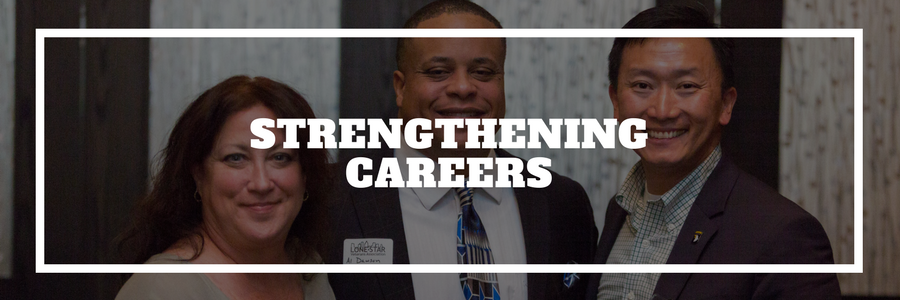
LSVA focuses on helping veterans succeed professionally. The organization values careers over jobs and focuses on finding roles that match veterans' abilities and goals. LSVA helps veterans develop enduring jobs by networking and connecting them with industry leaders.
Veteran success typically depends on a strong professional network. LSVA conducts industry-specific clubs, mentorship programs, and career-building activities to help veterans advance professionally. LSVA gives veterans the tools and connections they need to succeed in civilian life or career transitions.
Family and Community Support
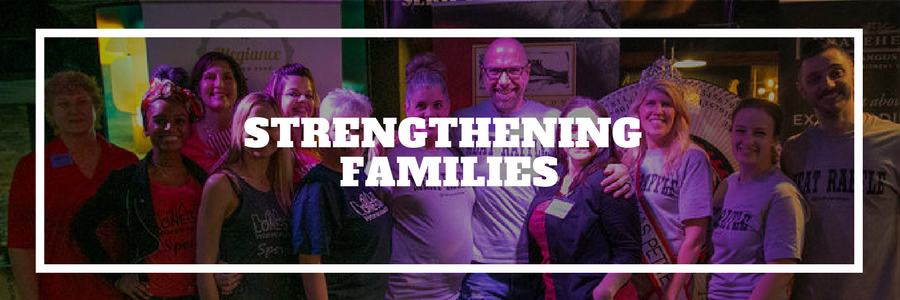
LSVA understands the value of family for veterans. The organization organizes family, spouse, and veteran gatherings for connection and fun. Thus, LSVA programs make every veteran feel appreciated and included. LSVA provides comprehensive support to veterans and their families, promoting stability and growth. Through social events, holiday programs, and family-oriented initiatives, LSVA strengthens veteran bonds during transitions.
A Legacy of Service
The Lone Star Veterans Association shows communal power. It symbolizes the spirit of veterans who inspire others. LSVA recognizes veterans and provides them with the resources, networks, and assistance they need to succeed in civilian life. Veterans are important to society, and LSVA reminds us that their duty continues after the military. By supporting veterans, we honor their efforts and enrich our communities with their unmatched strength, leadership, and resilience.


WE'VE BEEN THERE
We've Been There. Those three words launched LSVA in 2009 when our founders were searching for a community of veterans following combat deployments to Iraq and Afghanistan. Since then the organization has grown to the largest of it's kind in the state of Texas with 1 in 10 post-9/11 veterans in Houston signed up as members. We are inclusive to veterans of all eras of service and civilians passionate about supporting veterans. We strive to build our community of veterans through fun, positive, and inclusive activities that target our members' interests and passions aligned with their careers and families. We've been there, we hope you join us.